Category: Flux Towers

92 Posts

Field activities

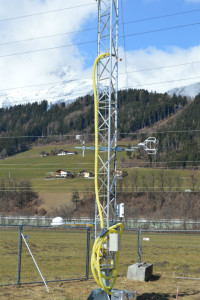
DSC_0017New test of airborne microbial sampling with Federico at the Kolsass flux tower of Mathias Rotach (IMGI). This time we are sampling at two heights – fingers crossed that we see a gradient.

Field activities

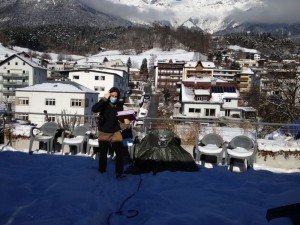
Despite the snow, Biomet group members are active in the field:

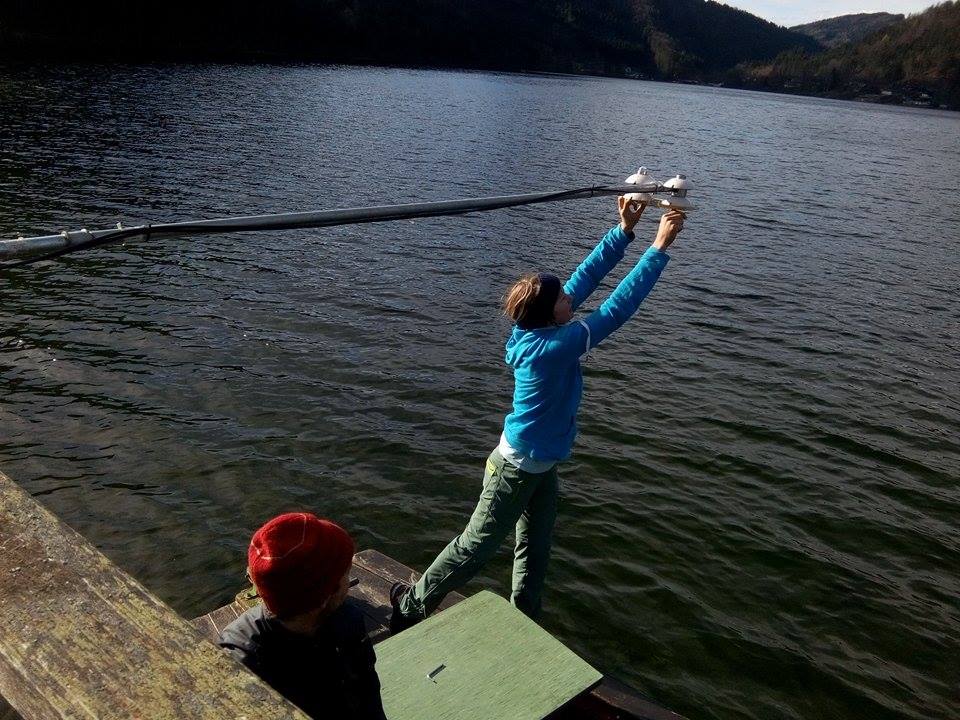
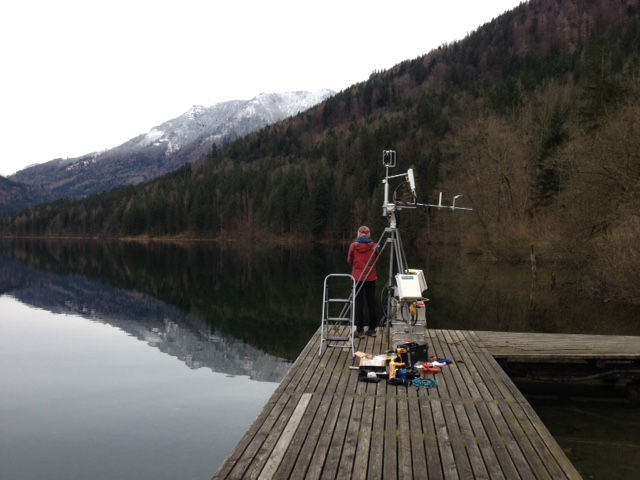
DSC04773 IMG_0501Kathi visited the Lunzer See eddy site for some maintenance.
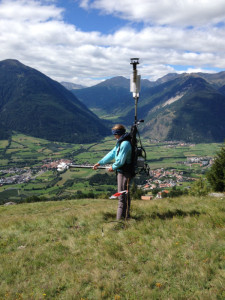


Federico tested the impact of different integrated sampling times on bacterial DNA yields.

New study site and paper published

Today Kathi and Georg made the long drive to Lunz am See to set up an eddy covariance flux tower within the CarbEx project. Since the platform has been removed during winter, the flux tower as set up at the shore of the lake close to the Water Cluster Lunz in the meantime, before it will be moved to the platform in spring. The aim of the project is to link hydrological extremes to the carbon cycle of Lunzer See and the eddy flux measurements yield the lake-atmosphere CO2 flux.

IMG_0421

The methane/nitrous oxide flux paper has been finally published in BG: Hörtnagl L., Wohlfahrt G. (2014) Methane and nitrous oxide exchange over a managed hay meadow. Biogeosciences 11, 7219-7236. link

Field campaign

In the context of RadarSat overpasses Katharina and Georg went to the pasture EC site in Vinschgau to do some EcoBot measurements for the HighResAlp project. The EcoBot was recently upgraded with a GPS and Decagon NDVI and PRI sensors (see picture). We collected at total of 240 measurements within the footprint of the eddy covariance tower.

Foto 1

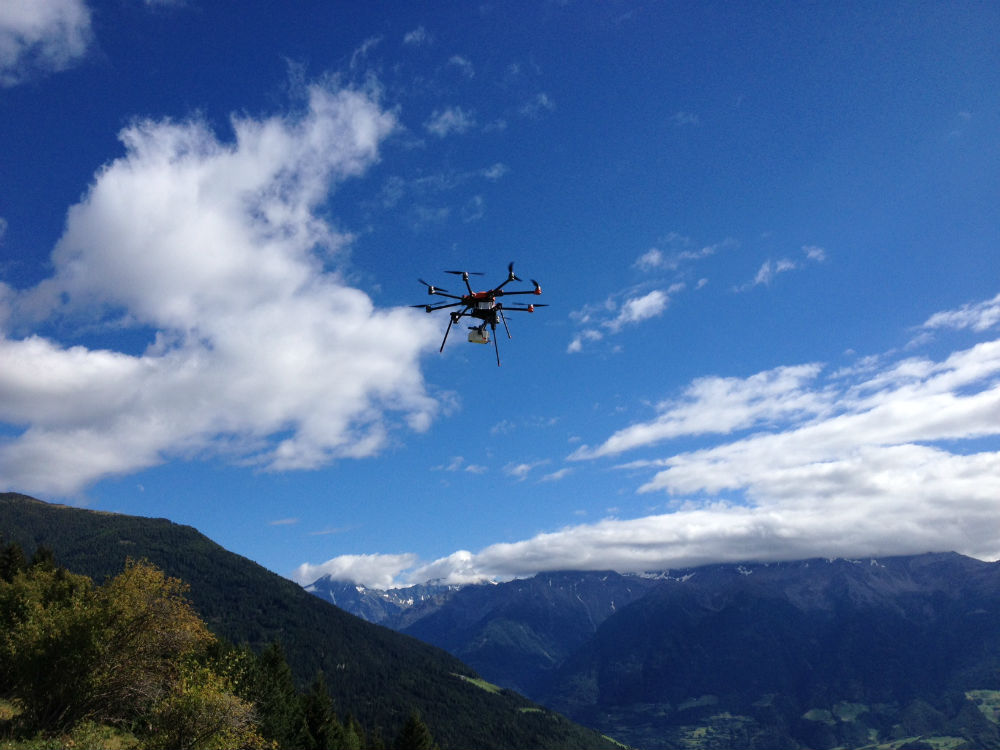
At the same time the Applied Remote Sensing group from EURAC flew a hyperspectral camera with their new toy, the drone (see picture). The collected data will be used to explore the effects of within-footprint heterogeneity on fluxes measured by eddy covariance.
Foto 2

New study site

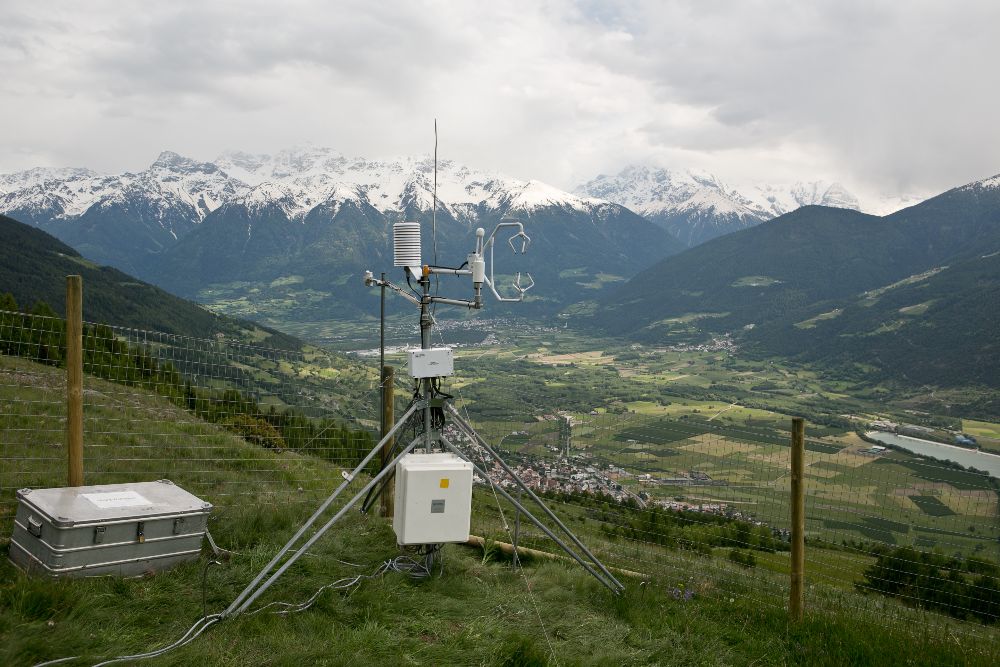
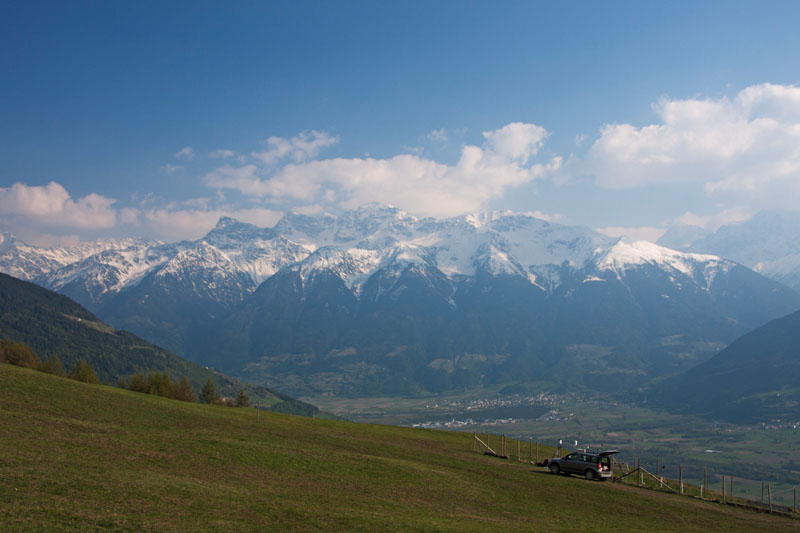
IMG_6942Yesterday Albin and Georg set up a new flux tower in Vinschgau on a non-irrigated pasture close to the existing one on an irrigated and mowed grassland. Flux measurements at both sites will be used to validate remote sensing and modelling approaches for evapotranspiration and soil moisture within the HighResAlp project.